 1800 424 065






















Everyone at Work
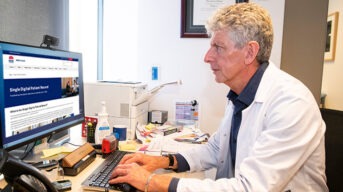
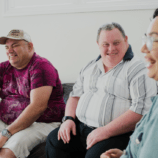
Meet Christopher, Caleb and Stuart, three staff members at Revenue NSW. They are part of their Everyone at Work program designed to create an inclusive workplace in NSW Government. CID is proud to have worked with Revenue NSW in developing this program.
This video shows how great inclusive employment can be for an organisation.
Transcript
Christopher: Before I joined the Everyone at Work program, I didn’t really feel like I belonged in this society. And now that I’ve started here, I feel like I can take control of my own future.
Stuart: I’ve never had this kind of support in, in the public service.
Caleb: Before getting this job, me and ma were in social housing after facing homelessness twice. Now that I earn a wage, I am able to afford a better place to live. Ma’s happier, and by extension, I’m happier.
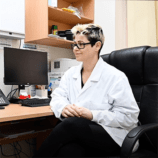
Kath: The Everyone at Work program is a pathway to employment for people with an intellectual disability into ongoing mainstream roles.
My name is Kath Tidd. I am the project lead and now the program manager for the Everyone at Work program here at Revenue New South Wales.
I think government is really committed to the findings of the Disability Royal Commission, about, you know, making sure that we’re looking to solve the problem of employment for people with cognitive disability. We already had a target with the New South Wales government, which was 5.6% of our employment base was to be people with disability. So we just took that on as a really critical role as public service to be able to support our community and make sure that we were truly representing the communities that we served.
So we really looked at ways to understand and talk to a lot of people with an intellectual disability. The first place that I knew to go to would be the peak organisation, the experts, as I always say, and I made contact with Council for Intellectual Disability’s employment team. Immediately they came straight on board.
We had lots of really great discussions. They even helped us with initial conversations with the organisation. They came and did information sessions in person. Really trying to understand what the potential of this program could be and just introduce this kind of shift we were about to embark on in terms of our workplace culture. We were able to then then move into a partnership with a disability employment service provider, making sure that we co-designed with people with lived experience.
So we absolutely went on that journey and made this kind of incredible realisation that all we needed to do was to remove barriers. So, once we had our candidates through, we invited them all along to an assessment day, but we included additional features, like, we said you can bring a support person, you can bring a family member.
Christopher: I’ve been to quite a few interviews before and they were never designed for people with intellectual disability.
Caleb: I was very worried about the interview process, of course.
Christopher: I’m very happy with the way everything worked out. People had actually designed things for me for once.
Caleb: This job assessment wasn’t what I imagined a job interview to be like. It was a lot more stress free, I liked it a lot.
Kath: Our first activity with them was to really understand their interests, their strengths, and what they could bring to the role. So, what were their existing skills and capabilities? Something that we had to kind of think really differently about was the way a person with an intellectual disability works within an organisation. The participant kind of sits still. They’ve got these incredible skills and capabilities. So we make sure we find tasks all the time that are playing to those strengths, and really growing their capability.
Christopher: Everyone’s trying to look for opportunities for me to excel, to grow. Not to box me into a role, but to explore pathways, to learn new skills.
Stuart: Yeah I like to make decisions. I like to be challenged, but, yeah.
Caleb: Being able to speak in a professional environment. It was not something I knew how to do in the past. I’ve gained the ability to be sociable and actually speak in a professional manner.
Coworker: Hey, Chris, how are you?
Christopher: Hello.
Coworker: Are you able to follow the instructions that we have given for you to work on?
Christopher: Yep. The instructions are very helpful.
Kath: It just takes good work instruction, focussed training, a little bit of an investment at the beginning, and then you get this incredible outcome.
Coworker: How are you going?
Christopher: I think everything’s under control.
Kath: When we started this program, we knew it was the right thing to do and that it was government’s responsibility. What we didn’t realise is how much economic and good business sense it was going to make.
Once we saw that this was working and people were like, oh, and starting to come to us and hand the tasks over, what we’ve proven is there’s incredible benefits around giving those low impact, low risk workflow kind of tasks to our participants.
And the most incredible thing that I’ve learnt is about the dedication and work ethic. There’s this real commitment and focus on getting their work done, which is invaluable for any organisation.
We really want to be able to nurture them and grow their careers, and hopefully, they exit the program into other roles and we can then maybe recruit more people into the Everyone at Work intiative. We would love to see this, particularly across all of New South Wales government, but across any organisation because it really works.
Caleb:Self esteem is the biggest one. I feel like if I were to get a job interview at another place, I feel I could have a lot more confidence going into it than what I did before I got this job.
Stuart: It’s like a really good job, like, everybody is good to, to work with. Yeah, I like working with all of them, you know.
Christopher: I did attend a couple of certificates at TAFE New South Wales to prepare me for office work. I’m going to try and aim for a diploma. And just maybe, I’ll try even going for a bachelor’s degree at university. I hadn’t really thought of being able to do this before, but now I have a bit of hope for the future.
For more information call 1800 424 065 or email employment@cid.org.au.